





















How to Manage High Cholesterolemia in Dubai with Lifestyle Changes
Learn how to manage High cholesterolemia Dubai with lifestyle changes, including diet, exercise, and more, to improve heart health and reduce risks.
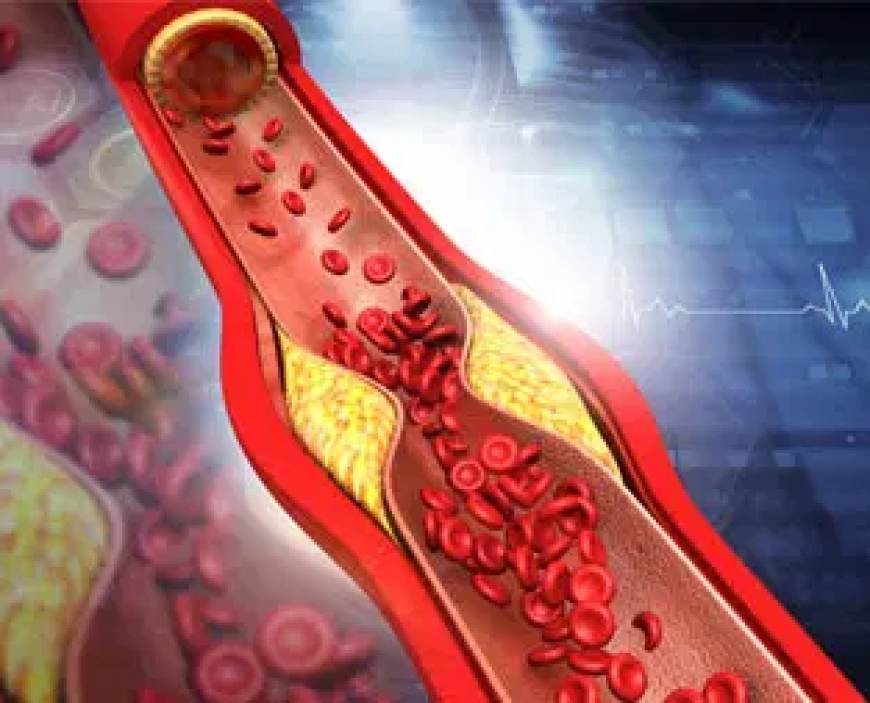
High cholesterolemia Dubaiis a growing health concern that affects many individuals in the region. It is a condition where there is an elevated level of cholesterol in the blood, which increases the risk of heart disease, stroke, and other cardiovascular problems. Fortunately, high cholesterol can often be managed with lifestyle changes. In this article, we will explore how to manageHigh cholesterolemia Dubaithrough dietary adjustments, physical activity, and other lifestyle modifications, along with information on the cost of treatment in Dubai, expected results, and answers to frequently asked questions.
Understanding High Cholesterolemia
High cholesterolemia Dubaioccurs when there is too much cholesterol in the blood. Cholesterol is a fatty substance produced by the liver and found in some foods. While cholesterol is essential for building healthy cells, too much of it can lead to fatty deposits in the blood vessels, which can block blood flow and lead to heart disease or stroke.
There are two types of cholesterol that can affect your health:
- Low-density lipoprotein (LDL): Often referred to as "bad" cholesterol, LDL can build up in the walls of your arteries, leading to plaque formation.
- High-density lipoprotein (HDL): Known as "good" cholesterol, HDL helps remove LDL cholesterol from the bloodstream.
Managing high cholesterol involves increasing HDL levels while reducing LDL levels, and this can often be achieved through a combination of lifestyle changes.
Lifestyle Changes to Manage High Cholesterolemia
1. Adopt a Heart-Healthy Diet
One of the most effective ways to manageHigh cholesterolemia Dubaiis by adopting a heart-healthy diet. A diet rich in fruits, vegetables, whole grains, lean proteins, and healthy fats can help lower cholesterol levels and improve overall heart health. Here are some dietary tips:
- Increase fiber intake: Soluble fiber, found in oats, beans, lentils, fruits, and vegetables, helps reduce LDL cholesterol.
- Choose healthy fats: Replace saturated and trans fats (found in processed foods, butter, and fatty meats) with healthier fats like monounsaturated and polyunsaturated fats (found in olive oil, avocados, and fatty fish).
- Limit cholesterol intake: Avoid high-cholesterol foods such as shellfish, organ meats, and full-fat dairy products.
- Eat more omega-3 fatty acids: Omega-3 fatty acids, found in fish like salmon, flaxseeds, and walnuts, can lower LDL cholesterol and raise HDL cholesterol.
2. Exercise Regularly
Regular physical activity plays a vital role in managingHigh cholesterolemia Dubai. Exercise helps raise HDL cholesterol, the "good" cholesterol, while lowering LDL cholesterol and triglycerides. It also strengthens the heart and improves overall circulation.
- Aim for at least 30 minutes of moderate exerciseon most days of the week. Activities such as walking, cycling, swimming, or jogging can be highly effective in managing cholesterol levels.
- Incorporate strength traininginto your routine, as building muscle can help increase metabolism and improve cholesterol levels.
3. Maintain a Healthy Weight
Being overweight or obese can contribute to high cholesterol and other risk factors for heart disease. Losing even a small amount of weight can have a significant impact on your cholesterol levels and overall health.
- Create a calorie deficitby eating a balanced diet and exercising regularly.
- Set realistic weight loss goals. Losing 5-10% of your body weight can lower LDL cholesterol and improve overall heart health.
4. Quit Smoking
Smoking is a major risk factor for heart disease and can lower HDL cholesterol, the "good" cholesterol. Quitting smoking can improve your HDL levels, reduce your risk of heart disease, and benefit your overall health.
- Seek supportthrough counseling, medications, or nicotine replacement therapy to help you quit smoking.
- Avoid secondhand smoke, as it can also contribute to heart disease.
5. Limit Alcohol Consumption
Excessive alcohol intake can raise cholesterol levels and contribute to high blood pressure, liver disease, and heart problems. Moderation is key when it comes to alcohol.
- Limit alcohol consumptionto no more than one drink per day for women and two drinks per day for men.
Cost of Managing High Cholesterolemia in Dubai
The cost of managingHigh cholesterolemia Dubaivaries depending on the treatment plan, including medical consultations, medications, and lifestyle interventions. Here is an estimate of potential costs:
- Consultations with a cardiologist or primary care doctor: The cost of a consultation in Dubai can range from AED 300 to AED 700, depending on the specialists experience and clinic location.
- Cholesterol-lowering medications: Statins, fibrates, and other cholesterol-lowering medications typically cost between AED 100 to AED 400 per month, depending on the medication and dosage.
- Dietary changes and fitness programs: While there are no direct costs for adopting a healthy diet or exercise routine, you may need to invest in healthier food options or gym memberships. On average, gym memberships in Dubai cost between AED 200 and AED 1,000 per month, depending on the facilities.
Making lifestyle changes such as adopting a healthier diet and exercising regularly can reduce the need for long-term medication, potentially lowering ongoing treatment costs.
Before and After Results
Before making lifestyle changes to manageHigh cholesterolemia Dubai, individuals may experience high LDL cholesterol levels, increasing the risk of heart disease, stroke, and other cardiovascular problems. After implementing lifestyle changes, such as improving diet, exercising, and losing weight, many individuals experience:
- Before:Elevated cholesterol levels, especially high LDL cholesterol, and a higher risk of cardiovascular disease.
- After:Reduced LDL cholesterol, increased HDL cholesterol, improved heart health, and a lower risk of stroke and heart disease. Results will vary depending on how effectively lifestyle changes are incorporated into daily life.
In some cases, individuals may need to continue medication alongside lifestyle changes to achieve optimal cholesterol management.
5 Frequently Asked Questions About Managing High Cholesterolemia
1. How can I check my cholesterol levels?
Cholesterol levels can be checked through a simple blood test known as a lipid panel. This test measures total cholesterol, LDL, HDL, and triglycerides. Your doctor will recommend how often you should get tested based on your risk factors.
2. Can lifestyle changes alone lower cholesterol?
Yes, in many cases, lifestyle changes such as adopting a heart-healthy diet, exercising regularly, and losing weight can significantly lower cholesterol levels. However, some individuals may still require medication to manage their cholesterol effectively.
3. How long does it take to see results from lifestyle changes?
It may take several weeks to months to see a significant improvement in cholesterol levels from lifestyle changes. Regular monitoring through blood tests is essential to track progress.
4. Can stress contribute to high cholesterol?
Chronic stress can lead to unhealthy behaviors, such as poor diet choices, lack of exercise, and smoking, which can negatively impact cholesterol levels. Managing stress through relaxation techniques, such as meditation and deep breathing, can help improve overall health.
5. Are there natural supplements that can help lower cholesterol?
Certain natural supplements, such as omega-3 fatty acids, garlic, and plant sterols, may help lower cholesterol levels. However, its important to consult with your doctor before taking any supplements to ensure they are safe and effective.
Conclusion
ManagingHigh cholesterolemia Dubaiis possible through lifestyle changes such as adopting a heart-healthy diet, engaging in regular exercise, losing weight, and quitting smoking. While medication may still be necessary for some individuals, lifestyle modifications can make a significant difference in lowering cholesterol levels and improving heart health. Understanding the cost of treatment, before-and-after results, and addressing common concerns through FAQs can help you take control of your cholesterol and reduce your risk of cardiovascular disease.