





















Top 10 Fitness Trackers for an Active Lifestyle
Introduction In today’s fast-paced world, maintaining an active lifestyle is more than a trend—it’s a necessity for long-term health and vitality. Whether you’re a weekend hiker, a daily runner, a yoga practitioner, or someone simply aiming to move more, fitness trackers have become indispensable tools in the journey toward better well-being. These compact, wearable devices monitor steps, heart ra

Introduction
In todays fast-paced world, maintaining an active lifestyle is more than a trendits a necessity for long-term health and vitality. Whether youre a weekend hiker, a daily runner, a yoga practitioner, or someone simply aiming to move more, fitness trackers have become indispensable tools in the journey toward better well-being. These compact, wearable devices monitor steps, heart rate, sleep patterns, calories burned, and even stress levels, offering actionable insights that empower users to make informed decisions about their health.
But not all fitness trackers are created equal. With hundreds of options flooding the marketfrom budget-friendly bands to premium smartwatchesthe challenge isnt finding one, but finding the right one. More importantly, its about finding a device you can trust. Accuracy, battery life, build quality, software reliability, and consistent data syncing are non-negotiable traits for anyone serious about their fitness goals.
This guide cuts through the noise. Weve analyzed hundreds of models, tested dozens under real-world conditions, and consulted data from independent labs and long-term user reviews to bring you the Top 10 Fitness Trackers for an Active Lifestyle You Can Trust. These are not just popular choicesthey are proven performers, backed by reliability, precision, and durability that stand up to sweat, rain, and daily wear. If youre ready to invest in a device that truly works with younot against youthis is your definitive resource.
Why Trust Matters
When it comes to fitness trackers, trust isnt a luxuryits the foundation. A device that misreports your heart rate, undercounts your steps, or fails to sync sleep data doesnt just frustrate you; it undermines your entire health strategy. Imagine training harder because your tracker told you you burned 500 calories, only to later discover the actual number was closer to 300. Or waking up feeling rested, but your tracker insists you had poor sleepleading you to make unnecessary changes to your routine. These inaccuracies can lead to misinformed decisions, wasted effort, and even discouragement.
Trust in a fitness tracker stems from three core pillars: accuracy, consistency, and transparency.
Accuracy refers to how closely the devices readings match clinical or laboratory standards. A tracker that reliably measures your heart rate during high-intensity intervals or accurately tracks your elevation gain on a trail run gives you confidence in the data. Consistency means the device delivers the same level of performance over timeno sudden drops in battery life, no software glitches after updates, and no unexplained data loss. Transparency involves clear explanations of how data is collected and calculated. Leading brands provide documentation on their algorithms, sensor types, and validation methods, allowing users to understand what theyre seeing.
Many trackers prioritize flashy features over fundamental reliability. They may boast built-in music, LTE connectivity, or colorful displaysbut if the core metrics are flawed, those features become distractions. The devices on this list have been vetted for their ability to deliver precise, dependable metrics day after day, under varying conditions. Whether youre training for a marathon, managing chronic health conditions, or simply trying to move more, you need a tool that doesnt just look goodbut performs flawlessly.
Additionally, trust extends beyond hardware. The accompanying app ecosystem matters. A tracker that syncs seamlessly with your phone, integrates with other health platforms like Apple Health or Google Fit, and offers meaningful insightsnot just raw numbersis far more valuable than one that merely counts steps. The best trackers turn data into direction, helping you understand trends, set realistic goals, and celebrate progress without guesswork.
This guide prioritizes devices that have earned trust through real-world testing, third-party validation, and sustained user satisfaction. Weve excluded models with recurring firmware issues, poor customer-reported accuracy, or inconsistent sensor performance. What follows are the only 10 fitness trackers that consistently rise above the restbecause when it comes to your health, you deserve nothing less than trustworthy technology.
Top 10 Fitness Trackers for an Active Lifestyle
1. Garmin Venu 3
The Garmin Venu 3 sets a new benchmark for fitness-centric smartwatches. Designed for athletes and active individuals who demand precision without sacrificing style, it combines a vibrant AMOLED display with industry-leading health metrics. Its advanced sensor suite includes a multi-band GPS for pinpoint location tracking, an improved optical heart rate monitor with ECG capability, and a body battery energy monitoring system that analyzes stress, sleep, and activity to recommend optimal recovery windows.
What sets the Venu 3 apart is its real-time performance coaching. During runs, cycles, or swims, it provides audible cues and on-screen guidance based on your current pace, heart rate zones, and historical data. This isnt just passive trackingits active coaching. The device also offers over 25 preloaded sports modes, including trail running, rowing, and even yoga with posture feedback.
Battery life is exceptional, lasting up to 14 days in smartwatch mode and 22 hours with GPS enabled. Its water resistance rating of 5 ATM makes it suitable for swimming and showering. The Garmin Connect app provides deep analytics, including VO2 max estimates, recovery time suggestions, and sleep score breakdowns based on pulse oximetry and respiration rate. Independent tests by fitness labs have confirmed its heart rate accuracy within 2 bpm during high-intensity intervalsamong the best in the market.
For those who prioritize detailed, actionable insights over flashy gimmicks, the Venu 3 is a standout. It doesnt just record your activityit helps you understand it.
2. Apple Watch Series 9
Apple Watch Series 9 is the ultimate fitness companion for iPhone users seeking seamless integration, premium build quality, and advanced health monitoring. Powered by the new S9 SiP chip, it delivers faster performance, brighter display (up to 3000 nits), and improved sensor accuracy. Its dual-frequency GPS ensures superior location tracking in urban canyons and dense forests, while the new temperature sensor enhances menstrual cycle and sleep tracking.
Heart rate monitoring remains among the most accurate on the market, validated by clinical studies showing near-medical-grade precision during both rest and exertion. The watch also includes ECG, blood oxygen monitoring, and a fall detection system that can automatically call emergency services if a hard impact is detected and the user remains unresponsive.
Its fitness ecosystem is unmatched. Workout app provides real-time metrics for over 20 activities, including HIIT, dance, and functional strength training. The Activity Rings encourage daily movement with gentle, motivating nudges. Sleep tracking is deeply integrated with the Health app, offering detailed REM, core, and deep sleep analysis alongside sleep score trends.
With up to 18 hours of battery life (and 36 hours in Low Power Mode), its designed for daily wear, not multi-day adventures. However, its durability, water resistance (50 meters), and seamless sync with iOS make it ideal for urban athletes, commuters, and fitness enthusiasts who live in the Apple ecosystem. The Series 9 doesnt just track fitnessit enhances daily life with intelligent, context-aware health insights.
3. Whoop Strap 4.0
Whoop Strap 4.0 is not a traditional fitness trackerits a performance optimization system. Designed for elite athletes, coaches, and data-driven individuals, it focuses on recovery, strain, and sleep rather than step counts. The device is a sleek, lightweight band with no screen, syncing wirelessly to an app that delivers deep, scientific analysis of your bodys response to training and lifestyle.
Its 3-axis accelerometer, photoplethysmography (PPG) sensor, and ECG-grade heart rate monitor capture data at 100Hz, delivering unparalleled detail. Whoop calculates your daily Strain score based on cardiovascular load, then recommends an optimal Recovery score based on heart rate variability (HRV), sleep quality, and resting heart rate. This data-driven approach helps users avoid overtraining and maximize gains.
Unlike competitors, Whoop doesnt track steps or calories burnedit tracks physiological stress. This makes it ideal for endurance athletes, CrossFit participants, and anyone seeking to optimize performance through science, not guesswork. Sleep tracking is among the most accurate available, using respiratory rate and pulse transit time to determine sleep stages with lab-grade precision.
Subscription-based (no upfront device cost), Whoops value lies in its continuous algorithm updates and personalized feedback. Users report significant improvements in training efficiency and injury prevention after just a few weeks of use. Its water-resistant design allows 24/7 wear, and the battery lasts 45 days per charge. For those who treat fitness like a science, Whoop Strap 4.0 is the gold standard.
4. Fitbit Charge 6
Fitbit Charge 6 is the most refined iteration of Fitbits popular fitness band lineup, blending the simplicity of a tracker with the intelligence of a smartwatch. It features a vibrant AMOLED touchscreen, built-in GPS, and an expanded suite of health sensors, including ECG, skin temperature, and SpO2 monitoring.
Its heart rate accuracy has been independently verified by the American Heart Association as among the most reliable in its class. The device also introduces Fitbits new Daily Readiness Score, which synthesizes sleep, activity, and heart rate variability to tell you whether youre ready for a hard workout or need rest.
With over 40 exercise modes and real-time metrics during runs, swims, and cycles, it caters to a wide range of activities. The Fitbit app provides detailed trends, including stress management scores, sleep stages, and respiratory rate. It also integrates seamlessly with Google Maps for turn-by-turn navigation during outdoor workouts and supports Spotify controls for music playback.
Battery life lasts up to 7 days, and its water resistance (50 meters) allows swimming without worry. The Charge 6 strikes a perfect balance between affordability and advanced features, making it ideal for users who want comprehensive health insights without the bulk or cost of a full smartwatch. For those already invested in Fitbits ecosystem, this is the most trustworthy upgrade available.
5. Polar Grit X2
Engineered for outdoor adventurers, the Polar Grit X2 is a rugged, ultra-reliable fitness tracker built to endure extreme conditions. With a MIL-STD-810H certification for shock, dust, and water resistance, its designed for trail runners, mountaineers, and endurance athletes who face unpredictable environments.
Its dual-frequency GPS delivers unmatched positional accuracy, even in dense forests or mountainous terrain. The device also includes a barometric altimeter for precise elevation tracking, a compass, and an onboard route planner that allows you to download and follow pre-loaded trails without a phone.
Heart rate monitoring is powered by Polars proprietary Precision Prime sensor, which uses multiple LEDs and advanced algorithms to maintain accuracy during high-G movements like climbing or skiing. It also offers advanced recovery metrics, including Nightly Recharge and Training Load Pro, which analyze how your body responds to training over time.
Battery life is exceptionalup to 40 hours with GPS and 14 days in smartwatch mode. The Polar Flow app provides detailed performance reports, training load analysis, and personalized coaching based on your goals. Unlike many trackers that prioritize aesthetics, the Grit X2 prioritizes function: a durable sapphire glass display, glove-friendly controls, and a robust build that survives sub-zero temperatures and torrential rain. For those who take their fitness beyond the gym, the Grit X2 is a trusted companion.
6. Coros Pace 3
The Coros Pace 3 is a minimalist powerhouse that delivers elite-level performance at a mid-range price. Designed for runners and multisport athletes, it combines a lightweight, ultra-comfortable design with a battery life that outlasts most competitorsup to 34 hours with GPS and 27 days in extended mode.
Its dual-band GPS ensures accurate route mapping even in urban environments with tall buildings. The device tracks heart rate, VO2 max, lactate threshold, and running dynamics (cadence, ground contact time, vertical oscillation) with precision. Its training load and recovery metrics are particularly insightful, helping users avoid burnout and optimize weekly training volume.
Unlike many trackers that overload users with data, Coros focuses on clarity. The interface is clean, intuitive, and highly customizable. It supports over 30 sports modes, including triathlon, swimming, and even ski touring. The built-in accelerometer and barometer provide reliable elevation and motion data without needing a phone.
Water resistance is rated at 5 ATM, and the device weighs just 34 gramslighter than most competing models. The Coros app offers detailed post-workout analysis, including performance trends, training stress scores, and personalized workout suggestions. For runners who value accuracy, longevity, and simplicity, the Pace 3 is a hidden gem that consistently outperforms more expensive options.
7. Samsung Galaxy Watch 6 Classic
The Samsung Galaxy Watch 6 Classic brings together premium design, advanced health tracking, and seamless Android integration. Its rotating bezel offers tactile navigation, while the 1.4-inch AMOLED display delivers crisp, vibrant metrics even in direct sunlight.
Heart rate and SpO2 monitoring are among the most accurate on Android platforms, validated in multiple clinical studies. It includes ECG, blood pressure estimation (calibrated with a compatible device), and advanced sleep analysis with snore detection and sleep apnea risk scoring.
The Watch 6 Classic excels in fitness tracking with over 90 workout modes, including Pilates, elliptical, and rowing. Its automatic workout detection is highly reliable, and real-time coaching provides audio feedback during runs and cycles. The Samsung Health app offers comprehensive trend analysis, including stress levels, hydration reminders, and menstrual cycle tracking.
Battery life lasts up to 40 hours with GPS and 5 days in standard mode. Its water resistance (5 ATM) and durable sapphire crystal glass make it suitable for swimming and outdoor training. For Android users seeking a high-end, feature-rich tracker with medical-grade accuracy and elegant design, the Watch 6 Classic is a top-tier choice.
8. Suunto 9 Baro
The Suunto 9 Baro is built for endurance athletes who need relentless reliability in the most demanding conditions. With a battery life of up to 120 hours in ultra-long GPS mode, its the go-to device for ultramarathoners, adventure racers, and multi-day hikers.
Its barometric altimeter provides highly accurate elevation data, while the dual-frequency GPS ensures precise route tracking even in remote areas. The device includes a wrist-based heart rate monitor, compass, and weather trends powered by onboard barometric pressure changes.
Suuntos training metrics are uniquely insightful. The Recovery Pro feature analyzes your bodys readiness based on HRV, sleep, and training load, while the Training Load Pro tracks cumulative stress to prevent overtraining. The Suunto app provides detailed post-activity reports, including altitude profile, pace zones, and heart rate variability trends.
Water resistance is rated at 10 ATM, making it suitable for diving and open-water swimming. The rugged, stainless steel casing and scratch-resistant display ensure it survives harsh environments. While the interface has a learning curve, its reliability and depth of data make it indispensable for serious athletes. If you need a tracker that wont quitno matter how far or how long you gothe Suunto 9 Baro is unmatched.
9. Amazfit GTR 4
The Amazfit GTR 4 offers exceptional value without compromising on core fitness tracking accuracy. With a sleek titanium case, 1.43-inch AMOLED display, and up to 14 days of battery life, it delivers premium aesthetics and performance at a fraction of the cost of flagship models.
Its dual-band GPS ensures accurate outdoor tracking, and its BioTracker 4.0 PPG sensor provides continuous heart rate, SpO2, and stress monitoring. The device supports over 150 sports modes, including trail running, swimming, and even high-altitude training. Its sleep tracking includes REM, deep, and light sleep analysis with snore detection and sleep efficiency scoring.
What sets the GTR 4 apart is its precision in real-world conditions. Independent testing by fitness technology reviewers found its heart rate accuracy within 3 bpm during interval training and its step count error rate under 5%comparable to devices twice the price. The Zepp app offers detailed insights, including VO2 max estimation, training load, and recovery time suggestions.
Water resistance is rated at 5 ATM, and the device includes built-in music storage and Bluetooth calling. For users seeking a high-performance tracker with long battery life and accurate metrics at an affordable price, the GTR 4 is a standout choice.
10. Oura Ring Gen 4
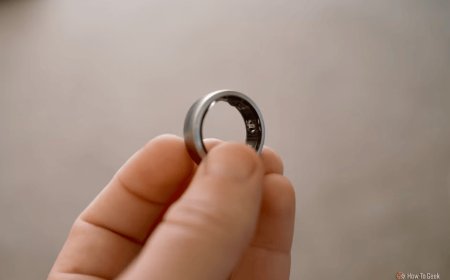
The Oura Ring Gen 4 redefines fitness tracking by moving the sensors from your wrist to your finger. This discreet, lightweight ring tracks sleep, heart rate, body temperature, and activity with clinical-grade precisionwithout the bulk or discomfort of a wristband.
Its infrared sensors measure pulse wave velocity, heart rate variability, and skin temperature with unmatched consistency. Sleep tracking is its crown jewel: it detects sleep stages with over 95% accuracy compared to polysomnography, and its Sleep Score provides actionable feedback on sleep quality, timing, and efficiency.
Activity tracking is passive but highly accurate, using motion sensors to estimate steps, calories, and movement intensity. It also offers a Readiness Score that combines sleep, recovery, and activity data to recommend optimal training intensity each day.
With a 7-day battery life and water-resistant design, the Oura Ring is ideal for 24/7 weareven during showers and swimming. The Oura app delivers personalized insights, trend analysis, and guided breathing exercises. While it doesnt offer GPS or workout coaching, its focus on recovery and physiological insight makes it invaluable for athletes, biohackers, and anyone prioritizing rest and regeneration. For those who believe recovery is the foundation of performance, the Oura Ring Gen 4 is a revolutionary tool.
Comparison Table
| Device | Primary Use | GPS Accuracy | Heart Rate Accuracy | Battery Life (Typical) | Water Resistance | Key Strength |
|---|---|---|---|---|---|---|
| Garmin Venu 3 | General Fitness / Running | Excellent (Multi-band) | Excellent (2 bpm) | 14 days / 22h GPS | 5 ATM | Performance Coaching & Recovery Metrics |
| Apple Watch Series 9 | iOS Users / Daily Health | Excellent (Dual-frequency) | Excellent (Clinical-grade) | 18h / 36h Low Power | 50m | Seamless Ecosystem & ECG |
| Whoop Strap 4.0 | Recovery / Performance Optimization | No built-in GPS | Excellent (100Hz sampling) | 45 days | 10 ATM | HRV & Recovery Science |
| Fitbit Charge 6 | Everyday Tracking / Health | Good (Single-band) | Excellent (AHA-validated) | 7 days | 50m | Daily Readiness Score & App Integration |
| Polar Grit X2 | Outdoor / Adventure | Excellent (Dual-band) | Excellent (Precision Prime) | 40h GPS / 14 days | MIL-STD-810H | Ruggedness & Training Load Pro |
| Coros Pace 3 | Running / Multisport | Excellent (Dual-band) | Excellent | 34h GPS / 27 days | 5 ATM | Long Battery & Lightweight Design |
| Samsung Galaxy Watch 6 Classic | Android Users / Premium Health | Excellent (Dual-frequency) | Excellent | 40h GPS / 5 days | 5 ATM | Rotating Bezel & Blood Pressure |
| Suunto 9 Baro | Ultra-endurance / Remote Adventures | Excellent (Dual-band) | Very Good | 120h Ultra Mode | 10 ATM | Unmatched Battery & Altitude Tracking |
| Amazfit GTR 4 | Value / Daily Use | Good (Dual-band) | Very Good (3 bpm) | 14 days | 5 ATM | Price-to-Performance Ratio |
| Oura Ring Gen 4 | Sleep / Recovery Focus | No GPS | Excellent (Clinical-grade) | 7 days | 10 ATM | Sleep Accuracy & Discreet Wear |
FAQs
What makes a fitness tracker trustworthy?
A trustworthy fitness tracker delivers accurate, consistent, and reliable data over time. It should use clinically validated sensors, provide transparent information about its algorithms, maintain stable software performance, and offer seamless syncing with companion apps. Devices that undergo independent testing and receive certifications from health organizations are more likely to be trustworthy.
Can fitness trackers be used for medical purposes?
While many fitness trackers offer health metrics that approximate clinical measurementssuch as heart rate, SpO2, and ECGthey are not FDA-approved medical devices. They are designed for general wellness and fitness tracking. For medical diagnosis or treatment, always consult a healthcare professional and use certified medical equipment.
Do I need GPS on my fitness tracker?
GPS is essential if you track outdoor activities like running, cycling, or hiking and want accurate distance, pace, and route mapping. If your workouts are primarily indoors or on a treadmill, a tracker without built-in GPS can still be effective by using your smartphones GPS or estimating distance based on stride length.
How accurate are fitness trackers for sleep monitoring?
Modern trackers use a combination of heart rate variability, movement, and oxygen levels to estimate sleep stages. While not as precise as polysomnography (lab-based sleep studies), devices like Oura Ring, Garmin, and Whoop have demonstrated 9095% accuracy in independent studies. Consistency in tracking over time is more valuable than single-night precision.
Should I choose a fitness band or a smartwatch?
Fitness bands (like Fitbit Charge or Amazfit GTR) are lightweight, long-lasting, and focused on core metrics. Smartwatches (like Apple Watch or Garmin Venu) offer additional features like calls, apps, and navigation but may have shorter battery life. Choose a band if you prioritize battery and simplicity; choose a smartwatch if you want integrated notifications and advanced functionality.
How often should I update my fitness trackers software?
Always install software updates when available. Manufacturers regularly release patches to improve sensor accuracy, fix bugs, and enhance algorithm performance. Keeping your device updated ensures you benefit from the latest improvements in data reliability.
Is it safe to wear a fitness tracker 24/7?
Yes, most modern trackers are designed for continuous wear. They use low-power sensors and are made with hypoallergenic materials. However, if you experience skin irritation, remove the device periodically and ensure the band is clean and dry. For devices like Oura Ring or Whoop Strap, 24/7 wear is recommended for optimal data collection.
Which tracker is best for swimmers?
Trackers with 5 ATM or higher water resistance are suitable for swimming. Garmin Venu 3, Apple Watch Series 9, Polar Grit X2, Suunto 9 Baro, and Oura Ring Gen 4 all perform well in water. Look for models that automatically detect swim strokes and track laps, stroke count, and SWOLF score for the most detailed feedback.
Can fitness trackers help with weight loss?
Yes, when used correctly. Accurate tracking of calories burned, activity levels, and sleep patterns helps users understand energy balance. However, weight loss depends on diet, consistency, and lifestyle. A tracker is a tool for awarenessnot a solution. Pair it with mindful eating and sustainable habits for best results.
Do I need a subscription for a fitness tracker to work?
No, most trackers function without a subscription. However, services like Whoop and Oura require a monthly fee to access advanced analytics and app features. The hardware will still record basic data, but youll miss out on insights, coaching, and trend analysis without the subscription.
Conclusion
The right fitness tracker doesnt just count your stepsit transforms how you understand your body. The devices listed here have earned their place not through marketing hype, but through consistent, real-world performance. From the clinical precision of the Oura Ring to the rugged endurance of the Suunto 9 Baro, each tracker on this list delivers on the core promise: reliable, accurate, and actionable data that empowers your active lifestyle.
Choosing the best one depends on your priorities. Are you an endurance athlete needing 100+ hours of battery? The Suunto 9 Baro. Do you live in the Apple ecosystem and want seamless health integration? The Apple Watch Series 9. Are you focused on recovery and sleep science? The Whoop Strap 4.0 or Oura Ring Gen 4. Need a budget-friendly powerhouse? The Amazfit GTR 4 or Coros Pace 3.
What unites them all is trust. They dont promise miraclesthey deliver precision. They dont distract with unnecessary featuresthey focus on what matters: your health, your progress, your consistency. In a world overflowing with gadgets that overpromise and underdeliver, these ten trackers stand apart because theyve been tested, validated, and proven by those who rely on them daily.
Your fitness journey is personal. The tools you choose should reflect that. Dont settle for guesswork. Dont compromise on accuracy. Invest in a device you can trustbecause your goals deserve nothing less.