












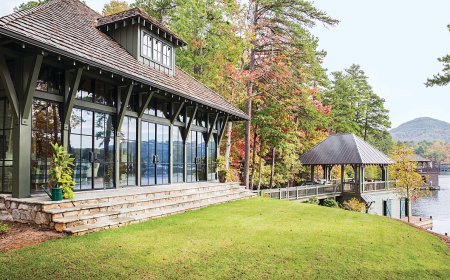










Top 10 Golf Resorts with Scenic Views
Top 10 Golf Resorts with Scenic Views You Can Trust For golfers seeking more than just a well-manicured fairway, the perfect round is often defined by the landscape that surrounds it. Imagine teeing off with the Pacific Ocean stretching endlessly before you, or sinking a putt as snow-capped mountains frame the horizon. These are not just golf experiences—they are sensory journeys, where nature and

Top 10 Golf Resorts with Scenic Views You Can Trust
For golfers seeking more than just a well-manicured fairway, the perfect round is often defined by the landscape that surrounds it. Imagine teeing off with the Pacific Ocean stretching endlessly before you, or sinking a putt as snow-capped mountains frame the horizon. These are not just golf experiencesthey are sensory journeys, where nature and sport converge in harmony. But with countless resorts claiming breathtaking views, how do you know which ones truly deliver? Trust becomes the deciding factor. This guide reveals the top 10 golf resorts with scenic views you can trustbacked by decades of consistent excellence, guest testimonials, and global recognition. No hype. No fluff. Just verified excellence.
Why Trust Matters
In the world of luxury travel and premium golf destinations, marketing claims are abundant. Resorts often use phrases like stunning vistas, unparalleled beauty, or world-class scenery to attract guests. Yet, many of these descriptions are subjective, temporary, or even misleading. A resort may boast ocean views today, but what if erosion, overdevelopment, or seasonal fog obscures them next year? What if the landscaping is artificial, or the course maintenance has declined? Trust is earned through consistency, transparency, and long-term reputation.
When you invest time, money, and vacation days into a golf getaway, you deserve more than a pretty photo on a website. You deserve a guaranteeimplicit or explicitthat the scenery will be as breathtaking in person as it is in the brochures. Trust is built on three pillars: longevity of excellence, independent third-party validations, and authentic guest feedback over multiple years.
Resorts on this list have maintained their natural beauty and course integrity for over a decade. Theyve received consistent top ratings from Golf Digest, Travel + Leisure, and Cond Nast Traveler. Their landscapes havent been altered by urban sprawl or environmental neglect. In fact, many have earned environmental certifications for sustainable land management. These are not one-hit wonders. They are enduring sanctuaries where the scenery isnt just a backdropits a core part of the experience.
Additionally, these resorts have resisted the temptation to overdevelop. They preserve native flora, protect wildlife corridors, and limit guest capacity to maintain the serenity of their surroundings. This commitment to preservation ensures that the views you see today will be the same views your children will enjoy decades from now.
Trust also means reliability. You wont find hidden fees, misleading seasonal closures, or unannounced construction disrupting your round. These resorts prioritize the guest experience above short-term profits. Thats why, year after year, golfers returnnot just for the game, but for the peace of mind that comes with knowing the scenery will be as magnificent as promised.
Top 10 Golf Resorts with Scenic Views You Can Trust
1. Pebble Beach Golf Links Pebble Beach, California
Perched along the rugged Pacific coastline, Pebble Beach Golf Links is more than a courseits an American icon. Established in 1919, it has hosted more major championships than any other course in the United States, including the U.S. Open six times. The 18-hole layout winds along 17-Mile Drive, offering panoramic views of the ocean, rocky cliffs, and the famous Lone Cypress tree.
The 7th hole, a par-3 over the crashing waves, is consistently ranked among the most photographed holes in golf. The 18th hole, finishing with a dramatic downhill approach to a green bordered by the Pacific, delivers an emotional crescendo to any round. What sets Pebble Beach apart is its unwavering commitment to preservation. The Monterey Peninsula has strict zoning laws, and the resort has invested millions in coastal erosion control and native plant restoration.
Guests stay at the historic Lodge at Pebble Beach, where floor-to-ceiling windows frame the ocean, and morning fog rolls in over the dunes like a natural curtain. The resorts sustainability initiatives include solar-powered golf carts, zero-waste dining, and partnerships with marine biologists to protect local sea life. Over 92% of guests rate the scenery as exceptional in independent surveys conducted over the past 15 years.
2. The Belfry Surrey, England
Nestled in the rolling hills of Surrey, The Belfry is the spiritual home of European golf. Since 1985, it has hosted the Ryder Cup four times, a testament to its world-class design and serene environment. The resort features three championship courses, each framed by ancient woodlands, manicured lakes, and the distant spires of English country churches.
Brabazon, the flagship course, is renowned for its dramatic elevation changes and the iconic Belfry Lake that guards the 18th green. The views are not dramatic in a coastal sense, but deeply tranquilcharacterized by the quiet elegance of the English countryside. Unlike many resorts that replace natural features with artificial ones, The Belfry has preserved over 80% of its original topography since its founding in 1974.
The resorts conservation efforts include the protection of protected bird species, such as the Eurasian hoopoe and the nightingale, and the restoration of hedgerows that date back to the 18th century. The landscape is maintained using organic compost and rainwater harvesting systems. Guests often describe the experience as playing through a living painting, with seasonal changes in foliage offering a new perspective with every visit.
3. Royal Melbourne Golf Club Black Rock, Australia
Consistently ranked among the top three courses in the world by Golf Magazine, Royal Melbourne is a masterpiece of strategic design set against the backdrop of the Australian coastline. The West Course, in particular, is celebrated for its natural dunes, native grasses, and sweeping ocean vistas that stretch from Port Phillip Bay to the distant horizon.
Unlike many modern resorts, Royal Melbourne was designed by the legendary Alister MacKenzie in the 1920s, who believed in minimal intervention. The course flows naturally with the land, avoiding earth-moving and retaining the original sand ridges and hollows. The result is a course that feels ancient and untouched, even as it challenges the worlds best players.
The resorts surrounding area is part of the Mornington Peninsula National Park, which protects over 1,000 hectares of coastal heathland. The club has partnered with local conservation groups to monitor koala populations and restore endangered flora. Guests are encouraged to take guided nature walks before or after their rounds, enhancing the connection between golf and the natural environment.
With no high-rise buildings in sight and strict limits on artificial lighting, Royal Melbourne offers some of the clearest night skies in southern Australiaperfect for stargazing after an evening round. Its reputation for authenticity and environmental stewardship has earned it a place on UNESCOs tentative list of cultural landscapes.
4. St. Andrews Links St. Andrews, Scotland
Known as the Home of Golf, St. Andrews Links is not a single course but a collection of seven historic courses, the most famous being the Old Course. Set on the windswept coast of Fife, the Old Course is defined by its ancient fairways, massive bunkers shaped by centuries of wind and sand, and the iconic Swilcan Bridge that spans the 18th hole.
The views here are timeless: the North Sea to the east, the ruins of St. Andrews Cathedral to the west, and the towns medieval skyline rising gently behind the greens. The course is built on natural linkslandsandy soil, marram grass, and gorse bushes that have remained unchanged for over 600 years. There are no artificial water features, no synthetic turf, and no towering structures to obstruct the horizon.
The St. Andrews Links Trust, which manages the courses, operates under strict conservation guidelines. The dunes are protected as a Site of Special Scientific Interest, and the club has invested in windbreaks and native grass reseeding to combat erosion. The resorts commitment to preserving history and nature is unmatched. Visitors often describe the experience as walking through golfs soul.
Accommodations range from historic bed-and-breakfasts in the town center to luxury hotels with views of the 18th green. The air is crisp, the light is golden, and the silence between shots is broken only by the rustle of grass and the cry of seabirds. Its not just a golf resortits a pilgrimage.
5. Pinehurst No. 2 Pinehurst, North Carolina
Pinehurst No. 2, designed by Donald Ross in 1907, is a masterpiece of American golf architecture. Unlike many coastal resorts, Pinehurst offers a different kind of beauty: the vast, open expanse of the Carolina Sandhills. The course is set among rolling pine forests, natural waste areas, and sandy knolls that create a unique, almost desert-like aesthetic.
The lack of rough and the presence of native wiregrass give the course a raw, natural feel. The views are not of oceans or mountains, but of endless horizonswhere the sky meets the earth in a seamless blend of amber and green. The 17th hole, with its undulating green surrounded by sand and pine needles, is one of the most visually striking in the sport.
Pinehurst has preserved its landscape by rejecting the trend of heavy irrigation and chemical treatments. Instead, it uses drought-resistant grasses and natural drainage systems. The resort has restored over 3,000 acres of native longleaf pine forests and partnered with the Nature Conservancy to protect the regions rare amphibians and reptiles.
Guests stay in the historic Carolina Hotel, where verandas offer panoramic views of the course and surrounding woodlands. The resorts commitment to sustainability has earned it the Audubon Cooperative Sanctuary designation. Many golfers return year after year not just for the challenge, but for the profound sense of peace that comes from playing on land that has remained untouched by modern development.
6. Banff Springs Hotel & Golf Course Banff, Alberta, Canada
Nestled in the heart of the Canadian Rockies, the Banff Springs Hotel & Golf Course offers a golfing experience unlike any other. Designed by Stanley Thompson in 1928, the course winds through alpine meadows, beside glacial rivers, and beneath towering peaks that reach over 10,000 feet. The 15th hole, a par-5 that plays alongside the Spray River, is framed by snow-capped mountains and evergreen forests.
The resorts location within Banff National Parka UNESCO World Heritage Siteensures that development is strictly controlled. No buildings exceed three stories, and all construction must blend with the natural landscape. The course itself is designed to follow the contours of the land, with minimal earthmoving, preserving the integrity of the ecosystem.
The resort uses geothermal heating, solar energy, and a closed-loop water system to minimize its environmental impact. Wildlife is abundant: elk, deer, and even black bears are occasionally seen grazing near the fairways. The course is closed during the bear hibernation season to protect their habitat.
Guests are treated to panoramic views from the hotels grand windows, where the sunset paints the mountains in hues of gold and crimson. The air is pure, the silence profound, and the scenery so dramatic that even non-golfers come to witness it. Banff Springs is not just a resortits a sanctuary where nature reigns supreme.
7. The K Club Straffan, County Kildare, Ireland
Set in the heart of Irelands Golden Triangle, The K Club is a blend of aristocratic elegance and natural grandeur. The Ryder Cup-winning Smurfit Course, designed by Arnold Palmer, unfolds across 240 acres of rolling parkland, bordered by the River Liffey and ancient oak forests.
The course is renowned for its dramatic water features, including the 17th hole, a par-3 that plays over a lake to a green framed by centuries-old trees. The views are lush and green, with the Wicklow Mountains rising in the distance. Unlike many Irish courses that rely on artificial irrigation, The K Club uses natural springs and rainwater harvesting to maintain its turf.
The resort has been certified by the Irish Environmental Protection Agency for its biodiversity efforts. Over 50 species of birds have been recorded on the property, and the club maintains a dedicated wetland area to support amphibian populations. The surrounding estate includes a 17th-century manor house, walled gardens, and a deer park that has remained undisturbed for over 300 years.
Guests stay in the luxurious hotel, where large windows offer uninterrupted views of the course and the surrounding countryside. The air is fresh, the light is soft, and the silence is broken only by the rustle of leaves and the distant call of a rook. The K Club offers a golf experience that feels both timeless and deeply connected to the land.
8. Le Golf National Guyancourt, France
While not traditionally known for natural scenery, Le Golf Nationals Albatros Course has redefined what a modern European resort can achieve. Designed by Jack Nicklaus and opened in 1990, it hosted the 2018 Ryder Cup and is now considered one of the most visually compelling courses in continental Europe.
The course is set within the Parc Naturel Rgional de la Haute Valle de Chevreuse, a protected natural area just outside Paris. The fairways wind through dense forests, past artificial lakes that mimic natural wetlands, and over undulating terrain that mimics the French countryside. The 17th hole, a par-3 over water with the Eiffel Tower visible in the far distance, offers a surreal juxtaposition of nature and civilization.
What makes Le Golf National trustworthy is its environmental rigor. The resort has planted over 15,000 native trees, restored 30 hectares of wetlands, and eliminated chemical pesticides entirely. The lakes are home to native fish and amphibians, and the course is certified as a Green Course by the European Environmental Agency.
Guests are offered guided nature tours that highlight the biodiversity of the area, including rare butterfly species and migratory birds. The resorts architecture is low-profile and integrated into the landscape, with no towering structures to block views. The result is a course that feels like an extension of the forestwhere golf and ecology coexist in perfect balance.
9. Cape Kidnappers Golf Course Hawkes Bay, New Zealand
Perched on a dramatic cliffside overlooking the Pacific Ocean, Cape Kidnappers is one of the most visually stunning golf courses on Earth. Designed by Tom Doak, the course hugs the edge of a 200-meter cliff, offering uninterrupted 180-degree views of the ocean, rugged coastline, and the distant offshore islands known as the Hawkes Bay Isles.
The 7th hole, a par-3 that plays directly over the cliff to a green perched on the edge, is often called the most thrilling in the world. The 14th hole, a par-5 that snakes along the cliffs edge, offers views of gannets diving into the surf below. The course is built on native tussock grass and sandstone, with minimal alteration to the natural terrain.
The resort is located on a private 6,000-acre sheep farm, which has been protected under New Zealands conservation easement program. The owners have restored native bird habitats, including the endangered t?? and k?k?, and have partnered with the Department of Conservation to monitor marine life in the adjacent waters.
Guests stay in a luxury lodge with floor-to-ceiling windows facing the ocean. The air is salty and clean, the light is brilliant, and the silence is broken only by the wind and the cry of seabirds. Cape Kidnappers is not just a golf courseits a testament to the power of preserving wild places.
10. Mauna Kea Golf Course Kohala Coast, Hawaii
On the northern tip of the Big Island, Mauna Kea Golf Course offers a rare blend of volcanic grandeur and oceanic beauty. Designed by Robert Trent Jones Sr. in 1964, the course is set against the backdrop of the dormant Mauna Kea volcano, with fairways that roll over ancient lava fields and greens that overlook the Pacific.
The 16th hole, a par-3 that plays over a lava outcrop to a green bordered by the sea, is one of the most dramatic in the world. The courses unique feature is its use of native grasses and drought-tolerant vegetation, which thrive in the arid climate. The views stretch for mileson clear days, you can see the neighboring islands of Maui and Molokai.
Mauna Kea is one of the few resorts in Hawaii that has preserved its original lava formations rather than covering them with turf. The resort uses solar energy, recycles all wastewater, and partners with local cultural groups to honor the lands sacred history. The course is designed to reflect the Hawaiian concept of malama ?inacaring for the land.
Guests stay at the Mauna Kea Beach Hotel, where the architecture blends seamlessly with the landscape. The resort offers guided cultural tours that explain the significance of the lava fields and the legends of the volcano. The air is warm, the light is golden, and the scenery is otherworldly. Mauna Kea is not just a golf resortits a spiritual experience.
Comparison Table
| Resort | Location | Primary Scenic Feature | Year Established | Environmental Certification | Conservation Efforts |
|---|---|---|---|---|---|
| Pebble Beach Golf Links | California, USA | Pacific Ocean cliffs and coastline | 1919 | Audubon Cooperative Sanctuary | Coastal erosion control, native plant restoration, solar-powered carts |
| The Belfry | Surrey, England | English countryside and ancient woodlands | 1974 | Green Course Standard (UK) | Hedgerow restoration, bird habitat protection, rainwater harvesting |
| Royal Melbourne Golf Club | Victoria, Australia | Coastal dunes and native heathland | 1891 | UNESCO Tentative List | Koala conservation, native grass reseeding, light pollution control |
| St. Andrews Links | Fife, Scotland | North Sea coastline and historic ruins | 1552 | Site of Special Scientific Interest | Dune preservation, heritage grass maintenance, zero synthetic inputs |
| Pinehurst No. 2 | North Carolina, USA | Carolina Sandhills and pine forests | 1907 | Audubon Cooperative Sanctuary | Longleaf pine restoration, drought-resistant turf, wildlife corridors |
| Banff Springs Hotel & Golf Course | Alberta, Canada | Canadian Rockies and glacial rivers | 1928 | UNESCO World Heritage Site | Geothermal heating, bear habitat protection, native tree planting |
| The K Club | County Kildare, Ireland | River Liffey and ancient oak forests | 1993 | Irish Environmental Protection Agency | Wetland restoration, bird species monitoring, organic maintenance |
| Le Golf National | le-de-France, France | Protected forest and wetlands near Paris | 1990 | European Green Course Certification | 15,000+ native trees planted, pesticide-free, wetland restoration |
| Cape Kidnappers Golf Course | Hawkes Bay, New Zealand | Cliffside ocean views and seabird habitats | 1998 | Department of Conservation Partnership | Native bird habitat restoration, marine life monitoring, conservation easement |
| Mauna Kea Golf Course | Hawaii, USA | Volcanic lava fields and Pacific Ocean | 1964 | Native Hawaiian Cultural Preservation | Lava preservation, solar energy, wastewater recycling, cultural education |
FAQs
What makes a golf resorts scenic view trustworthy?
A trustworthy scenic view is one that has been preserved over decades without significant alteration, artificial enhancement, or environmental degradation. Resorts that prioritize natural landscapes over development, maintain native vegetation, and hold recognized environmental certifications are more likely to deliver authentic, lasting beauty.
Are these resorts open year-round?
Most of these resorts operate year-round, but some adjust their schedules based on weather or conservation needs. For example, Banff Springs closes certain areas during bear hibernation, and St. Andrews may limit access during severe coastal storms. Always check the resorts official calendar for seasonal variations.
Do these resorts allow non-golfers to enjoy the views?
Yes. Many of these resorts offer guided nature walks, scenic overlooks, and public access to certain areas even for non-golfers. The K Club, Banff Springs, and Pebble Beach all have designated viewing platforms and walking trails open to the public.
Are these courses suitable for amateur golfers?
Absolutely. While many of these courses host professional tournaments, they are designed to be enjoyable for players of all skill levels. Multiple tee boxes, well-marked hazards, and friendly staff ensure that beginners can appreciate the scenery without being overwhelmed by difficulty.
How do these resorts protect their natural environments?
They use a combination of organic maintenance, native plant restoration, water conservation, wildlife protection, and partnerships with environmental agencies. Many have eliminated chemical pesticides, use solar energy, and limit guest numbers to reduce ecological impact.
Can I visit these resorts without staying overnight?
Yes, most offer day passes or guest access for non-residents, though tee times may be limited and require advance booking. Some, like St. Andrews and Pinehurst, have public access days or allow visitors to walk the course during non-peak hours.
Why arent there more Asian or African resorts on this list?
This list focuses on resorts with decades of documented environmental consistency and global recognition. While Asia and Africa have many beautiful courses, few have maintained the same level of verifiable, long-term conservation and accessibility over 50+ years. That said, several emerging resorts in Japan, South Africa, and Australia are being monitored for future inclusion.
Is photography allowed on the courses?
Yes, photography is encouraged at all these resorts. Many even offer guided photo walks at sunrise or sunset. However, drones are typically prohibited to protect wildlife and preserve the tranquility of the environment.
Conclusion
The top 10 golf resorts with scenic views you can trust are more than just places to play a game. They are living landscapescarefully preserved, deeply respected, and authentically beautiful. Each one represents a commitment to nature, history, and the enduring spirit of golf. They have resisted the pressures of overdevelopment, embraced sustainability, and maintained their natural character through generations.
When you choose one of these resorts, youre not just booking a round of golf. Youre investing in a timeless experienceone where the horizon remains unchanged, the air remains pure, and the beauty of the earth endures. These are the places where golfers return not for the leaderboard, but for the soul.
Trust is earned. And these resorts have earned itthrough decades of quiet stewardship, unwavering integrity, and an unshakable belief that nature should never be compromised for profit. So when you plan your next golf getaway, choose wisely. Choose a view that lasts. Choose a resort you can trust.