Wild Encounters: Planning the Perfect Tiger Safari in India
Introduction to a Tiger Safari in India
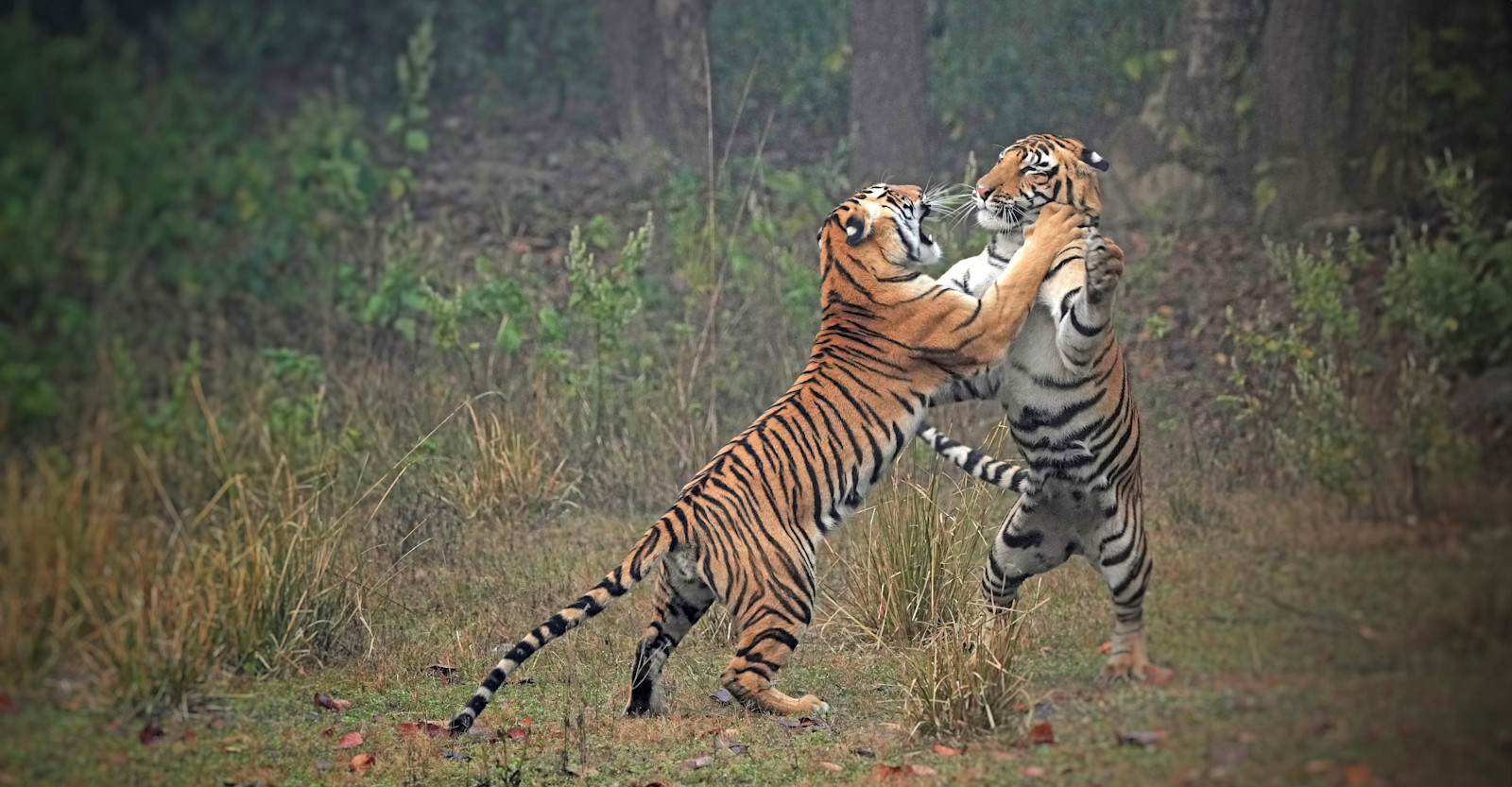
For wildlife buffs, the tiger safari is one of the top experiences, the opportunity to experience the views of the magnificent Bengal tiger in its natural setting. With their bright orange coats, regal aura, and being somewhat elusive, tigers stand as jewels of Indian biodiversity. India, which supports over 70 percent of the world's wild tiger population, hosts some of the best national parks and reserves where one can spot these majestic big cats. To plan the perfect tiger safari in India, one must put a great amount of thought, from deciding where to go to knowing about conservation efforts. This exhaustive guide will provide you with all the necessary information to plan a memorable tiger safari experience that encapsulates adventure, culture, and wildlife conservation.
Why Go on a Tiger Safari in India?
India's national parks and tiger reserves offer a singular opportunity to view the Bengal tiger, perhaps one of the most iconic metaphors for megafauna on earth. Here are the reasons that make a tiger safari in India special:
Rich Biodiversity: Indian tiger reserves boast-a diverse generation of co-inhabitants, including leopards, elephants, sloth bears, and exotic avifauna, thus making every safari a multi-species encounter.
Conservation Success: India's tiger population rose from 1,411 in 2006 to more than 3,167 in 2022, after the establishment of conservation measures like Project Tiger, thus giving visitors greater chances of tiger sighting.
Cultural Exposure: Often, a tiger safari in India has more to offer than just wildlife; it also offers forays into colourful local communities, historical forts, and temples.
Array of Landscapes: From lush jungles to grassy wetlands, all tiger habitats in India offer very scenic locations for the best safari experience.
The Chase: The whole buildup of chasing a tiger in the wild and the actual sighting are adrenaline-rushing experiences that few other adventures can match up to.
A tiger safari in India is much more than seeing the tiger-it serves as full immersion into the sights, sounds, and stories of the wilderness.
Best Places for a Tiger Safari in India
Tiger reserves in India are scattered in varying pockets of landscapes, each having its own safari experience to offer. Here are the best places for tiger safaris in India:
1. Ranthambhore National Park (Rajasthan)
Why Visit: Landscapes meet tiger hordes: This is one of the famous areas with tiger density with picturesque landscapes, including ancient forts and lakes.
Highlights: Excellent sightings of tigers, mostly around water bodies, plus leopards, sambar deer, and an avian spectacle of over 270 bird species.
Best Time: October to April, with peak sightings in summer (MarchMay) when the tigers mostly congregate near water.
Safari Options: Jeep Safari (intimate, max. 6 persons) or canter Safari (larger groups).
2. Bandhavgarh National Park, Madhya Pradesh
Why Visit: It is known for having one of the highest tiger densities in India-high tiger sightings.
Highlights: Dense forests, rolling hills, and historic ruins including Bandhavgarh Fort. Home pasture of famous tigers like Charger and Sita.
Best Time: October to June; April to June is perfect for tiger sightings.
Safari Options: Jeep safaris and rides on elephant-back that bring you even closer.
3. Kanha National Park, Madhya Pradesh
Why Visit: The place has inspired Rudyard Kipling's The Jungle Book, with its lush sal forests and vast meadows.
Highlights: The vibrant wildlife including tigers, bara Singha (swamp deer), and leopards. A great venue for wildlife photography.
Best Time: November to April days, and good for sightings.
Safari Options: Jeep safaris in the morning and evening, guided by expert naturalists.
4. Jim Corbett National Park, Uttarakhand
Why Should You Go: India's oldest national park, always balancing the Himalayan foothills, rivers, and dense forests.
Best Landscapes: Scenery, tiger, elephant, crocodile, and historically the first Tiger Project reserve.
Best Time: From November to June; overnight stays are permitted in the Dhikala zone.
Safari Activities: Jeep and canter safaris, as well as eco-friendly walking tours.
5. Tadoba Andhari Tiger Reserve, Maharashtra
Why Should You Go: For the hidden tiger gems and fewer crowds.
Best Landscapes: Big lakes, bamboo forests, and abundant sightings of tigers around Tadoba Lake.
Best Time: February to May is the best time for wildlife observation.
Safari Activities: Jeep safaris and night safaris in buffer zones.
6. Sundarbans National Park, West Bengal
Why Visit: Recognized as a World Heritage Site for its unique biology of mangrove forests and the ever-elusive Royal Bengal tiger.
Highlights: Boat safaris through waterways, spotting saltwater crocodiles, and bizarre tigers living in the mangroves.
Best Time: Anytime between September and March for pleasant weather.
Safari Options: Boat safaris for pleasure and adventure.
Each destination marks an archetype of tiger safari in India, addressing each travellers outlook: hard and rustic or soft and calm river ride.
Planning Your Tiger Safari in India
Youre planning for a good tiger safari in India should follow these steps.
1. When to Come
Peak Season (OctoberJune): Weather apart, November to February is the best time; in summer, from March till June, tiger sightings from waterholes increase.
Hibernation or Closing Monsoon: Most parks close from July till September on account of rains, except buffer zones in some reserves.
Booking Time: Since safari slots are very few and are usually taken well in advance, they need to be booked at least 90-120 days in advance, especially if you plan to go to very popular parks like Ranthambore or Bandhavgarh.
2. Select the Right Safari Type
Jeep Safari: Suitable for small groups, offering flexibility and closer encounters.
Canter Safari: Big, open vehicles for budget-conscious travellers or group travel.
Boat Safari: These are unique to Sundarbans to go exploring the mangroves.
Elephant Safari: Offered by select parks like Bandhavgarh when subtle tiger encounters are the order of the day.
Walking Safari: These are offered in buffer zones of parks such as Corbett for full immersion.
3. Choose a Reputable Tour Operator
Prefer licensed operators along with experienced naturalists and guides. Try to find:
Eco-friendly policies such as the use of low-impact vehicles and sustainable lodging.
Packages that include permits, accommodation, and transport.
Good reviews on TripAdvisor or local tourism boards.
4. Pack Smart
Clothing: Neutral-coloured, lightweight clothing (khaki, green, or brown) to blend with the surroundings. Layer up for early morning safaris.
Gear: Binoculars, camera with a good zoom lens (200mm+), sunscreen, insect repellent, and a hat.
Essentials: Water, snack, and a first-aid kit since the safari may last for 3 to 6 hours.
5. Safari Etiquette to Keep in Mind
Respect the wildlife by keeping silent and refraining from making any sudden movements. Always heed the guide's instructions.
Keep the parks clean! Littering would kill the ecosystem.
Photography: Do not use a flash. It will scare the animals.
Stay safe: Stay in the vehicle unless your guide asks you to exit.
What is a Tiger Safari really like in India
An average tiger safari in India is an incredible tea measure of anticipation and awe:
Schedule: During early hours, i.e. 5:30 a.m. to around 10:00 a.m., or late afternoons from 2:30 p.m. to 6:30 p.m., when tigers tend to be active.
Experience: Bring out the jungle roads in jeeps or canter, where naturalists follow tiger signs like pugmarks or alarm calls of deer and monkeys.
Wildlife Viewings: While much of the limelight goes to big cats, one also stands a chance to witness leopards, sloth bears, deer, wild boars, and birds like hornbills and peacocks.
Duration: Usually, the 3- to 4-hour trips cover designated zones of the park.
Tiger Sightings: It is never guaranteed with sightings because of their secretive nature; however, parks like Bandhavgarh and Ranthambore do have sighting rates between 50% to 70% during their peak season.
One memory that will last forever is when amber eyes appeared to gaze through the foliage, looking at you- the sighting of a tiger.
Conservation and Responsible Tourism
In other words, a tiger safari in India is more than just a holiday: it is an occasion of supporting conservation. The idea of Project Tiger, set up in 1973, has largely been successful in restoring tiger populations through measures of habitat conservation and anti-poaching. Here is how you, too, can lend in the cause:
Choose Conservation-Friendly Operators: Support companies that provide funding for conservation or involve local communities.
Respect Park Rules: Abide by park rules to keep your impact on the environment minimal.
Learn About Conservation: Visit Park museums or interpretation centres to learn about conservation efforts.
Create Awareness: Share your experiences responsibly on social media but do not geotag your exact location to protect the wildlife.
By opting for a responsible tiger safari in India, you help the majestic beasts survive for coming generations.
Some Practical Tips for a Successful Tiger Safari in India
Multiple safaris: There is more chance of spotting a tiger if one books 3-5 safaris in different zones.
Hire an Expert Guide: Naturalists with an experienced eye and ear can track tigers using very delicate clues like tracks or sounds.
Patience: Remember, tigers are wild and somewhat cruelly unpredictable; enjoy the journey even when tiger sightings are few.
Combine the Destinations: Tiger safari with a visit to the Taj Mahal near Ranthambore, hotels in Jaipur, etc., or the temples at Khajuraho near Bandhavgarh.
Visa Consideration: If you're an international tourist, a valid Indian tourist visa must be held, which you can get online. Wildlife Resorts and Hotels
There are hotels of famously high standards and some lovely wildlife resorts scattered through various tiger reserves in India to suit all budgets:
Luxury Resorts: The very best, with Taj Safaris (Bandhavgarh, Kanha) or Oberoi Vanya Vilas (Ranthambore) offering gourmet dining and spa facilities.
Ecological Lodges: Such accommodators as Pug Dundee Safaris or Tree House Hideaway that meld comfort with nature.
Budget Guesthouses: Cheaper options would be homestays or forest rest houses near to park gates that offer basic services.
Camping: Tented camping is on offer in a few parks.
Book accommodation early during the peak season to secure spots near the park entrances.
Cultural Experiences to Beautify Your Tiger Safari in India
A tiger safari in India can be enriched with cultural experiences:
Rajasthan (Ranthambore): Explore the ancient Ranthambore Fort or the palaces of Jaipur.
Madhya Pradesh (Bandhavgarh/Kanha): A visit to the UNESCO-listed Khajuraho temples or meetings with local tribal villages.
Uttarakhand (Corbett): A rafting experience, followed by a tour to the scenic lakes of Nainital.
West Bengal (Sundarbans): Watch colonial architecture of Kolkata or explore fishing villages.
These experiences go a long way to add to the fullness of your trip from wildlife to the vibrant heritage of India.
Conclusion
Tiger safaris in India are a bucket-list experience because they combine the primal thrill of seeing a Bengal tiger in its natural habitat with the elegant landscapes and diverse culture of India. A selection based on preference of park, thorough planning, and responsible tourism together give you the exhilaration of creating a fulfilling wildlife experience. It doesn't matter whether you choose to Trek on the harsh trails of Ranthambore, Kanha through its thick forests, or the mystical realm of Sundarbans- a tiger safari will remain etched as one of the wild memories in your life forever. Start planning, and an unforgettable journey awaits the roar of the jungle.